
Momo, Nepal’s most cherished and iconic dish, has captured the hearts of food lovers worldwide. These delectable dumplings are more than just a meal—they are a cultural experience that brings people together, whether at a bustling street corner or a family gathering.
At Nepal Cooking School, we take pride in teaching tourists the art of making momo in a variety of styles, using fresh ingredients and authentic spices.
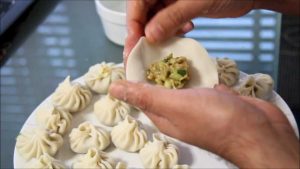
One of the most fascinating aspects of momo is its versatility. These dumplings can be prepared and enjoyed in multiple ways, each offering a unique flavor and texture:
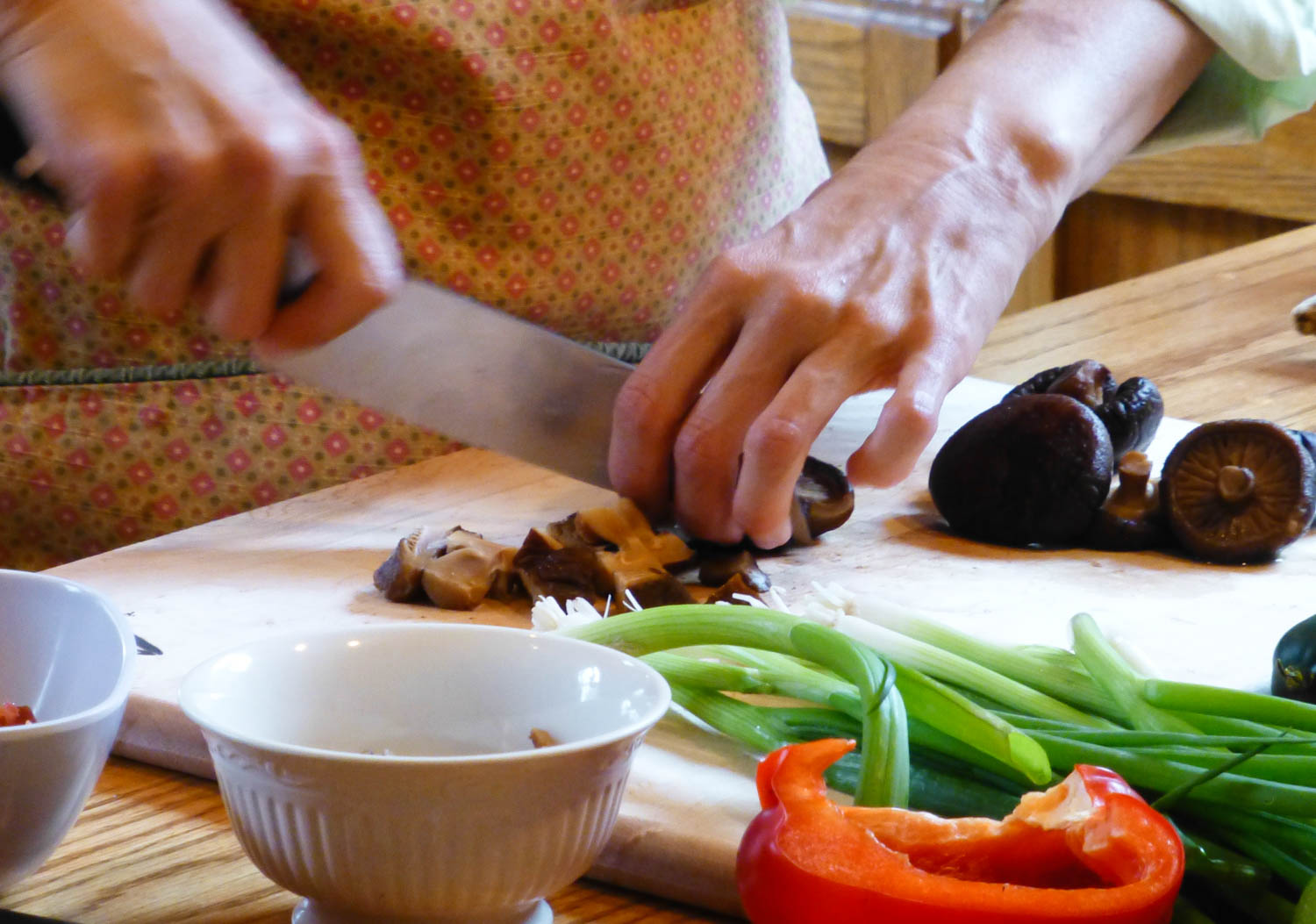
At Nepal Cooking School, we emphasize the use of fresh, high-quality ingredients to ensure the best taste and texture. The dough is prepared using finely milled flour, and the fillings range from minced meat (chicken, pork, or buffalo) to a variety of vegetarian options like finely chopped vegetables or paneer.
What truly sets momo apart is the careful selection and blending of spices. Our instructors guide you through the process of using:
At Nepal Cooking School, we believe that food is best appreciated when you’ve made it yourself. Our expert instructors will teach you every step of the momo-making process, from kneading and rolling the dough to folding the dumplings into their iconic shape. You’ll also learn how to prepare accompanying sauces, like the spicy tomato-based achar that perfectly complements momo.
Whether you’re a beginner or an experienced cook, our classes are tailored to provide an engaging and enjoyable experience. By the end of the session, you’ll have mastered the art of making momo and gained insights into Nepali culture and cuisine.
Learning to make momo isn’t just about creating a meal—it’s about taking a piece of Nepal back with you. The skills and recipes you acquire at Nepal Cooking School will allow you to recreate this beloved dish for friends and family, sharing the flavors and memories of your time in Nepal.
So, if you’re visiting Nepal and looking for an authentic culinary adventure, join us at Nepal Cooking School. Let’s explore the world of momo together and create delicious memories that last a lifetime!
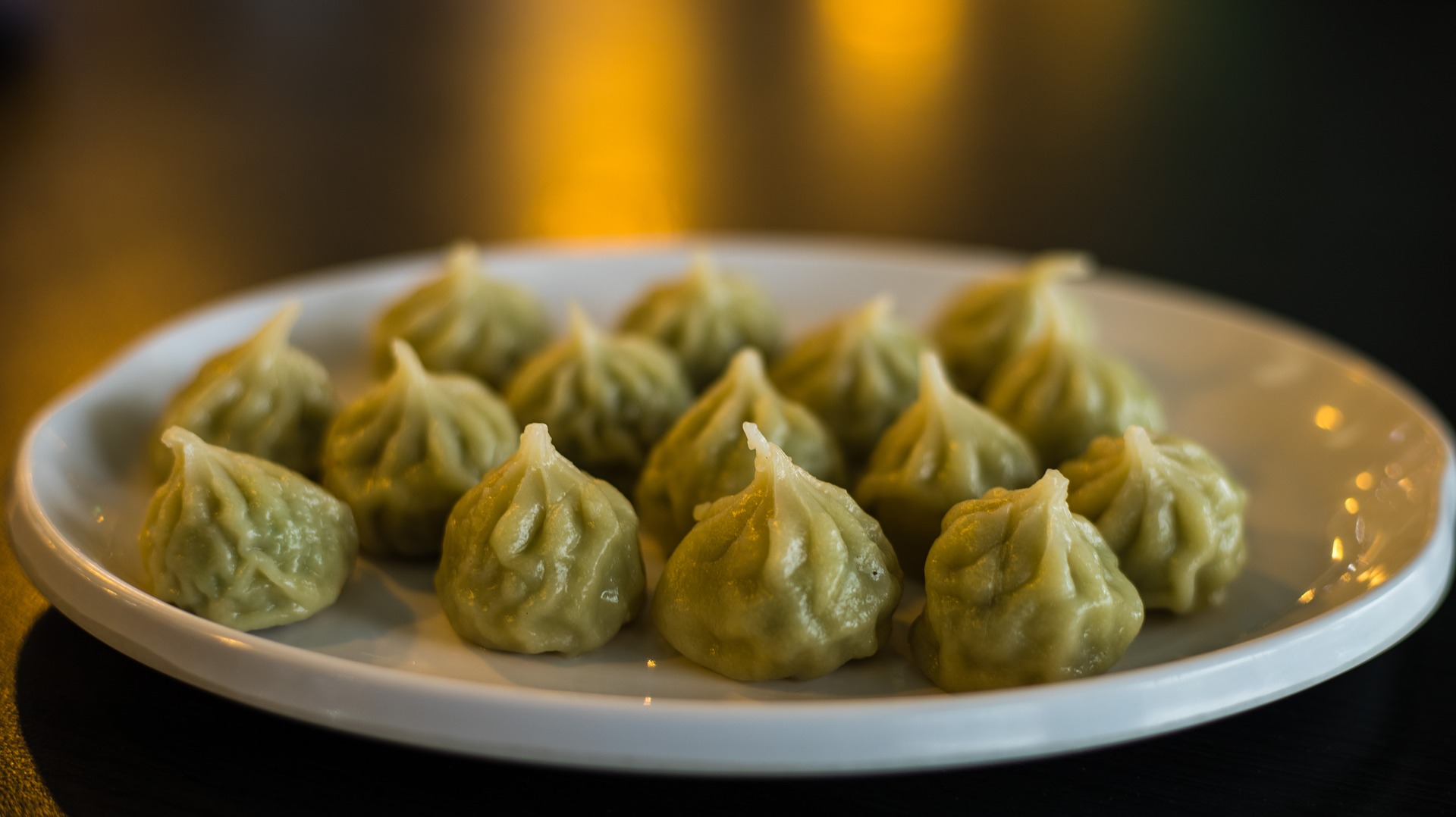
Momo “म:म:” unanimously is the unofficial national dish of Nepal. This Nepali dumpling which comes in various shapes, sizes and with all kinds of fillings is a household name in many parts of Nepal. With simple recipes contrasting to the delectable taste, Momo is the go-to meal for any period of the day. Momo is more than a dish in Nepal; it is a way of life. (more…)

With its rich geographical, ecological and ethnic diversity, Nepal has a plethora of unique dishes to offer. The food here is not just a basic need or for the taste, it is an integral part of the lifestyle. People of different backgrounds enjoy varieties of food as a celebration of life and culture. The capital Kathmandu, which is a melting pot of people from all over the country, provides a huge and diverse menu for people to choose from. Being a business and trade hub of the country, Kathmandu also is a home to individuals of diverse culture, race, and ethnicities. Regardless of the distinctions, assimilating them into a single roof, Kathmandu also innovates and improvises their lifestyle and food culture. (more…)
While the majestic vistas and lavish cultural exhibition, Nepal is for the travel mongrers yearning for the most exuberant of experiences. The food experience in Nepal is equally amazing as the mountains and the culture. From the rich cultural diversity and the geographical setting of different types of people, Nepali food cuisine, although not distinguishable into one specific dish, offer not just as a basic need but represent the way of life. Some of the most popular Nepali foods have been influenced by its two neighboring countries; India and China. Looking into the Nepali menu, you will discover a variety of dishes each infused with unique spices that will leave a lingering taste. You can find a variety of dishes from different cultures. These are not just dishes with different ingredients or taste, but each dish holds a special value in its own culture. (more…)